August 18, 2025
LLMs in Our Daily Lives
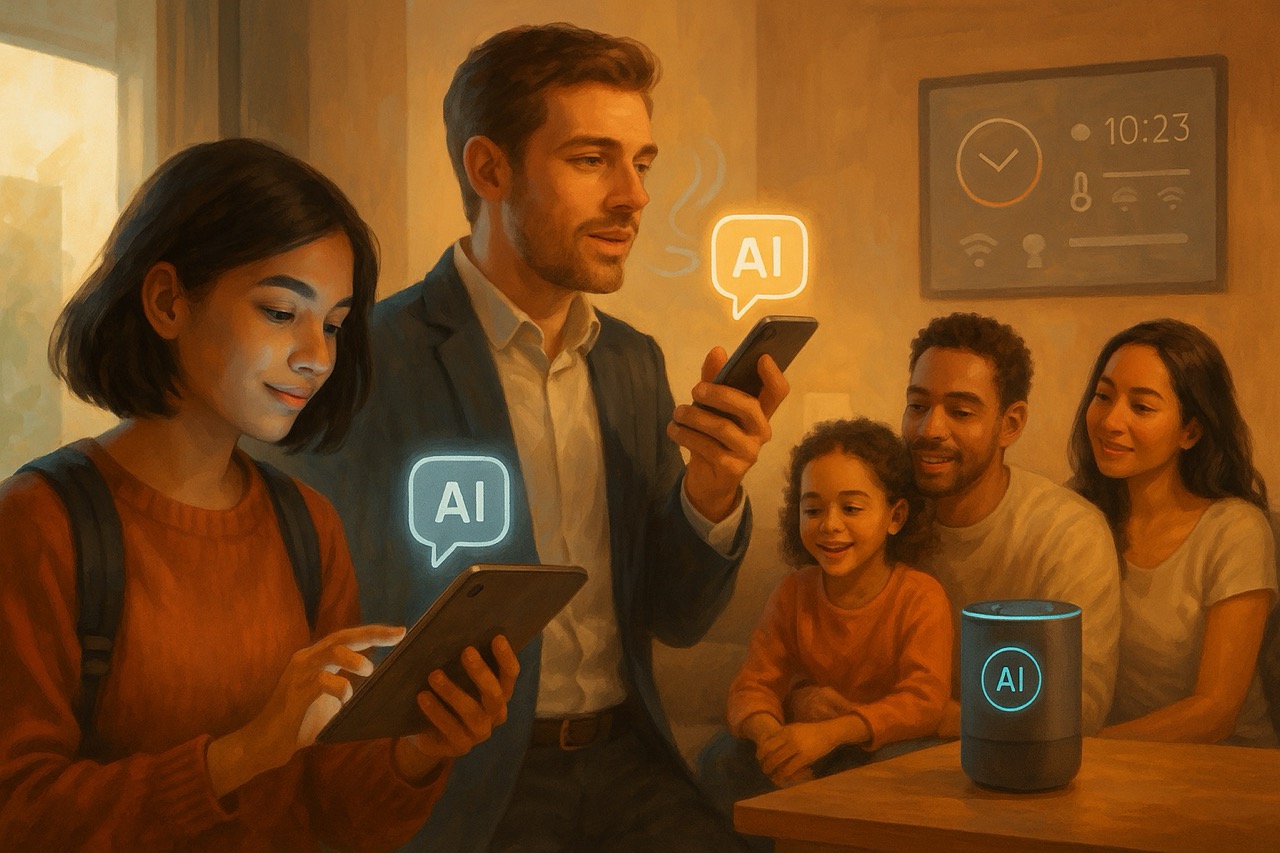
When we talk about artificial intelligence in 2025, science fiction movies probably don’t come to mind anymore. Because now, wherever we turn our heads, we encounter a wide variety of AI tools. At this point, AI—especially through Large Language Models (LLMs)—is deeply embedded in our daily lives and continues to assist us in many areas. It is a fact that popular models like ChatGPT, Gemini, or Grok are widely recognized. In this article, we’ll shed light on what these large language models are and how they affect our daily lives, often without us even realizing it.
What is an LLM?
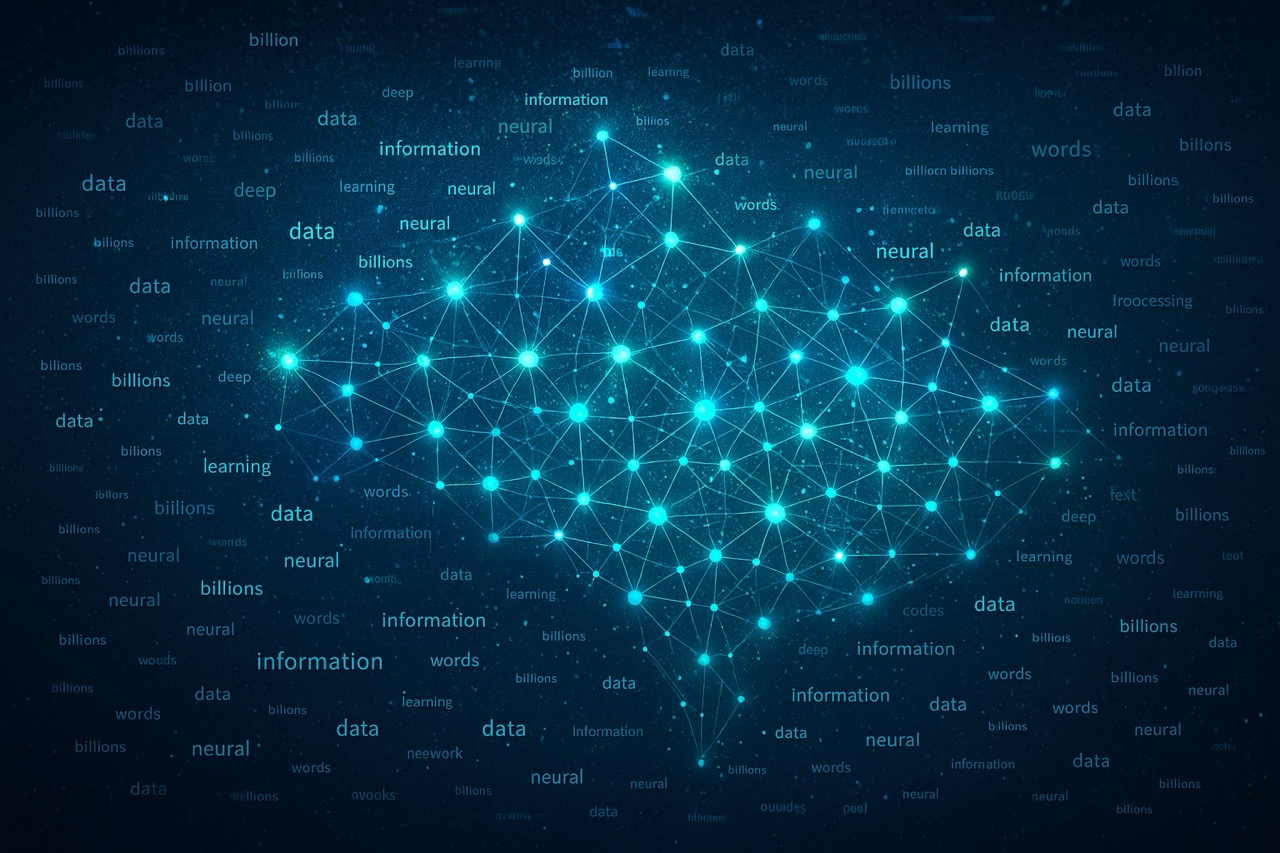
In the simplest terms, they are advanced AI algorithms trained on vast amounts of text data. Most of today’s LLMs were trained—and continue to be trained—using websites, books, articles, and even some of the texts you may have published yourself. Through this process, they learn the intricacies of a language, how words come together to create different meanings, general grammar rules, and the countless variations within the complexity of language.
The word “large” in LLM refers to both the massive amount of data these models are trained on and the number of parameters they contain. Parameters are the learned values that represent complex contexts a model uses to make predictions. This enables language models to generate text that closely resembles human writing, answer our questions, provide translations, and summarize texts. In fact, the creativity levels of the models we use today are far beyond what was once expected.
Where Do LLMs Appear in Our Daily Lives?
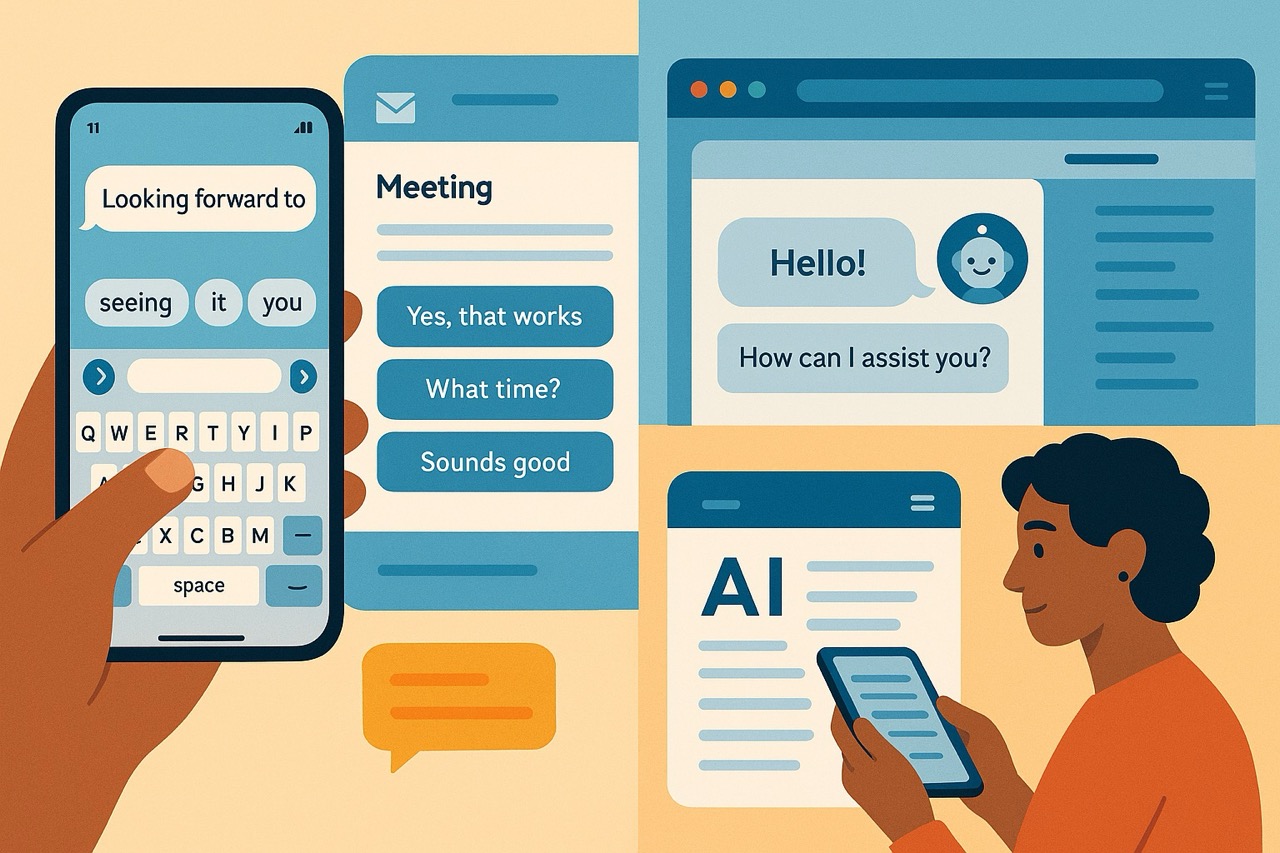
In this section, we’ll focus on how LLMs impact us as end-users in our daily routines.
- Classic example: Messaging on your smartphone: Yes, I’m talking about autocomplete. Today, when we type a message, our phones predict the next word we’re likely to write. They do this by learning our writing habits and general language patterns. Correcting our typos is also a good example of this.
- Replying to time-consuming emails: While the world buzzes with technological breakthroughs, it’s already hard enough to focus on our daily tasks. On top of that, analyzing and replying to the endless stream of emails makes it even tougher. Especially in tools from AI-driven companies like Gmail, features such as Smart Compose or Smart Reply work thanks to LLMs. They prepare multiple suggested responses based on the email content and even adapt them to our style by analyzing past emails, speeding things up significantly.
- Chatbots on websites: By now, we’ve grown accustomed to chatting with bots rather than humans when visiting websites. These bots go beyond just matching keywords; they grasp the intent behind our questions and provide more relevant answers.
- Text summarization and content creation: Thanks to AI’s capabilities, the time and effort required for content creation have dropped significantly. Likewise, instead of reading long texts ourselves, these tools summarize them for us. This has an enormous impact on daily life by saving time.
- Education and Learning: These tools have the potential to transform how students and educators access information, understand concepts, and accelerate learning curves. By simplifying complex topics and offering in-depth explanations, they make learning much faster.
- Language Translation: Applications like Google Translate are prime examples of LLMs’ capabilities in language understanding and generation. Modern translation goes beyond word-for-word conversion, considering meaning across sentences and paragraphs.
Next-Generation LLM Applications and Trends
This year, LLMs continue to shape our perspective of the future with groundbreaking tools. Let’s summarize some areas that gained momentum in 2025.
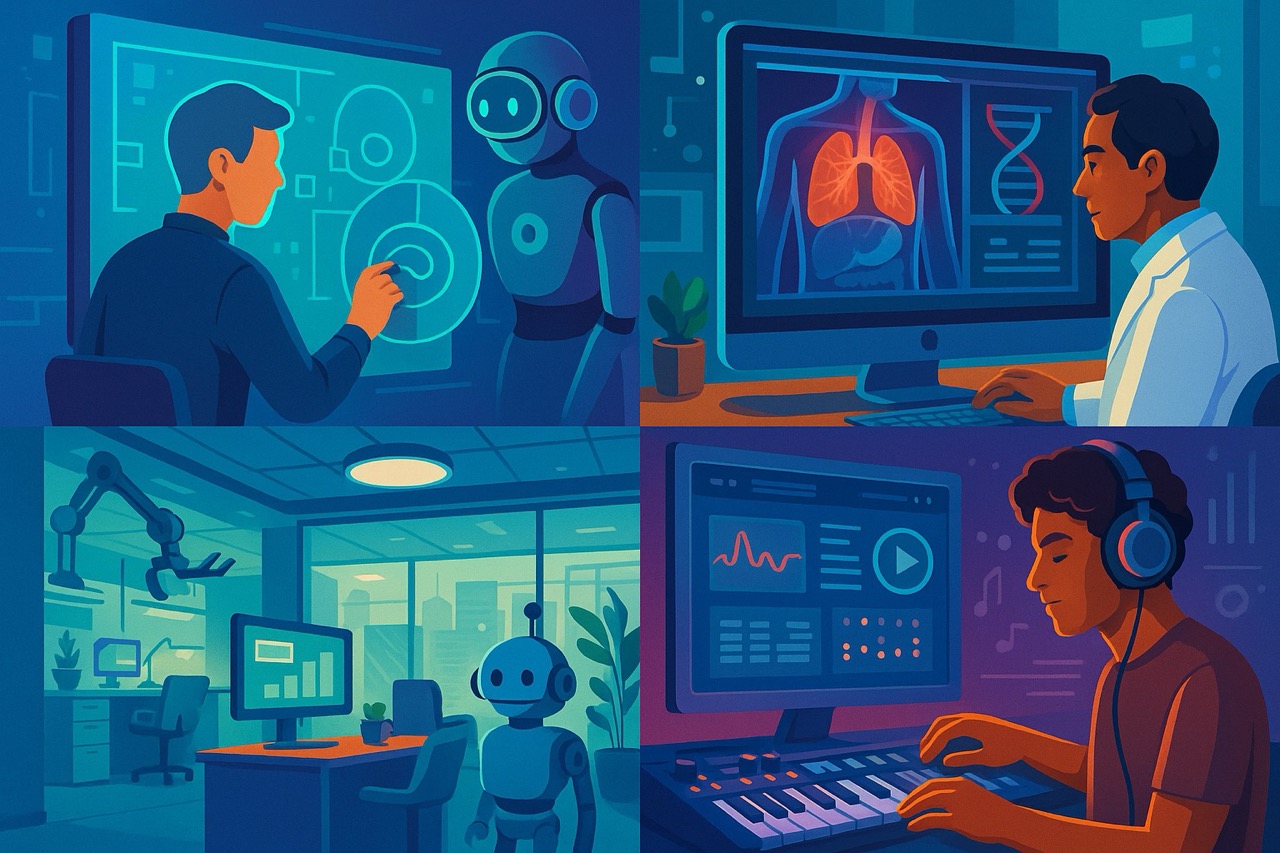
- Personalized Assistants: LLMs are no longer limited to answering general questions—they now respond to queries tailored to our individual interests and habits. In some cases, they even adapt responses based on our emotional state. These systems personalize interactions by learning from our everyday behavior, even without explicit input. For example, someone regularly requesting sports news reveals an interest that the system picks up on.
- Creative Systems: Anyone who spends a few minutes on social media today can see how LLMs are participating in creative processes. Artists, designers, writers, and musicians (who also now have amazing new tools) have little choice but to engage with AI. Looking at how far text-to-image tools have come (see veo3), and considering that music can now also be generated from text, it’s clear that all stages—from idea to prototype—are faster with advanced LLMs. For example, a writer can generate alternative dialogues or characters for a scene in seconds.
- Business World: Particularly in the software industry, integrating AI tools into workflows has become inevitable. Today, LLMs support a wide range of tasks—automating workflows, generating analyses, preparing meeting summaries, assigning tasks—saving enormous amounts of time. Projects that might have taken months can now be completed in weeks. As a result, companies increase overall efficiency while allowing human talent to focus on strategic work.
- Healthcare: LLMs offer potential applications ranging from analyzing medical literature to interpreting patient data and even assisting with diagnoses. This can accelerate decision-making in personalized treatments. Of course, ethical and safety issues must remain under strict oversight.
The Limitations of LLMs
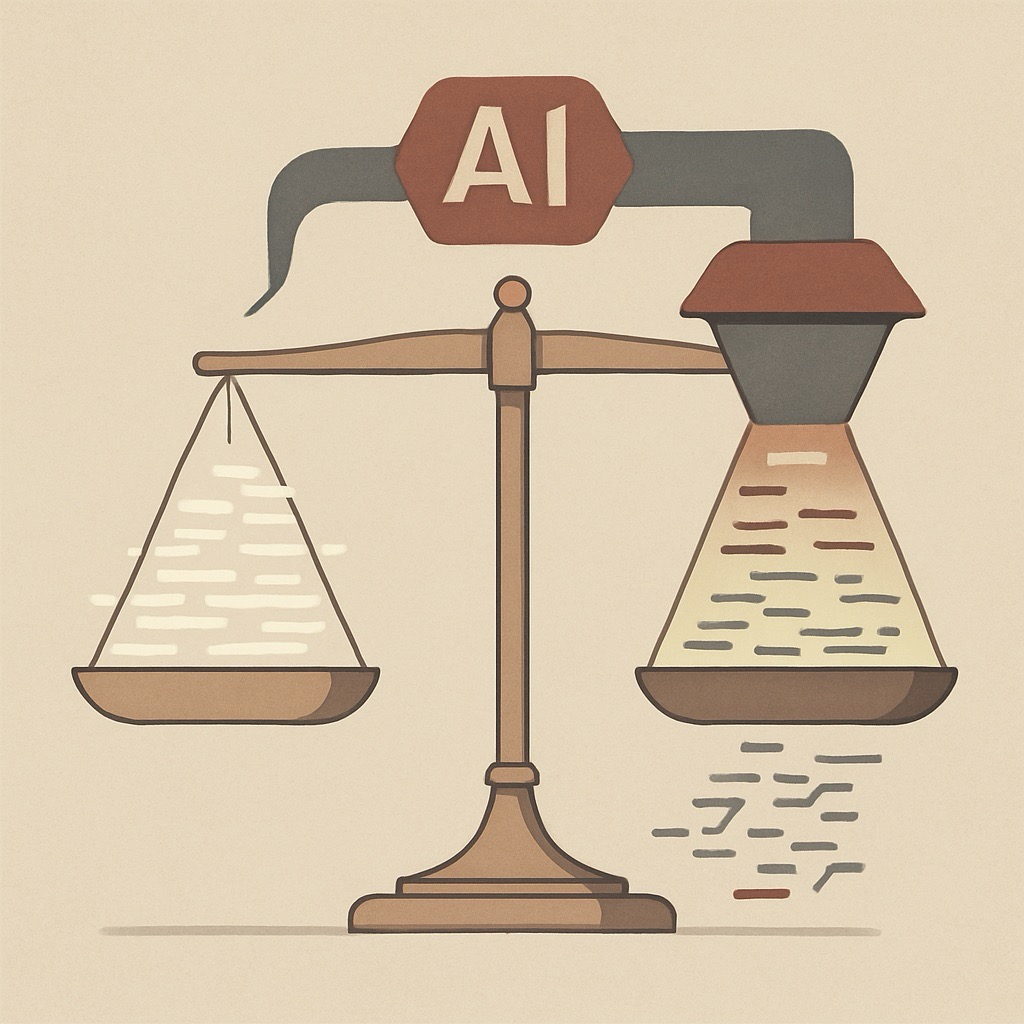
While LLMs make our lives easier, they’re not without problems. Sometimes they provide incorrect information with great confidence—a phenomenon known as “hallucination.” Since they’re trained on datasets compiled from a wide range of authors, it’s natural for them to reflect biases. They also have the potential to generate unethical content. These risks are especially prominent in broad-reaching models like ChatGPT or Gemini. For this reason, it’s important to critically evaluate any information produced by LLMs. Work in this area continues, with preventing these issues being one of the top priorities.
It’s 2025, and we’ve already opened the doors to a new world. LLMs today are not only generating or interpreting text but are also expanding their abilities in understanding and creating audio, images, and even video. As smarter, more reliable, and ethical models evolve, they’ll continue to impact all of the areas mentioned above—and hundreds more industries—in profound ways.
Conclusion

In conclusion, LLMs go far beyond just handling simple tasks for us. Therefore, it is vital to recognize that many of the digital experiences we encounter daily are powered by LLMs, and to keep track of the potential future impacts of this technology. Being aware of their potential and choosing to walk alongside them—rather than against them—will push us toward building a more conscious relationship with this extraordinary technology of the future.