Consumed Media
Books, movies, and series I've consumed and my thoughts on them.
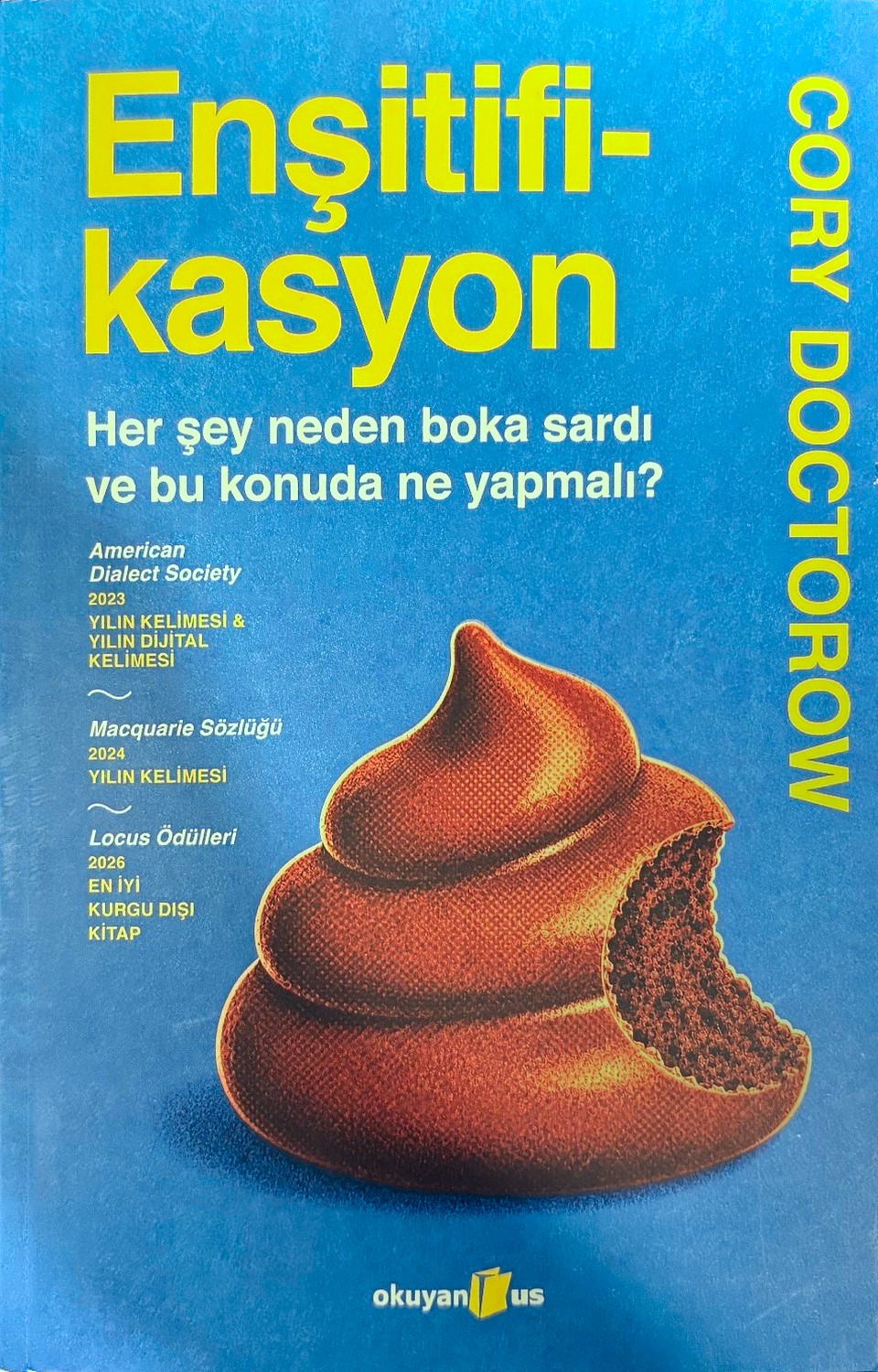
Enshittification
Cory Doctorow
I'm still reading this one. The book describes something we all feel but struggle to name: why digital platforms keep getting worse. According to Doctorow, the process always follows the same pattern. Platforms first offer a good service to attract users, then sell those users to advertisers and sellers, and finally squeeze both sides to pull all the value toward themselves. His examples from Facebook, Amazon, Google, and Uber make this cycle feel very familiar. As a software developer, I've started to look at the products I use every day in a different way. It reads like the other side of the coin to the habit loops described in Hooked. I'll add my final thoughts once I finish it.
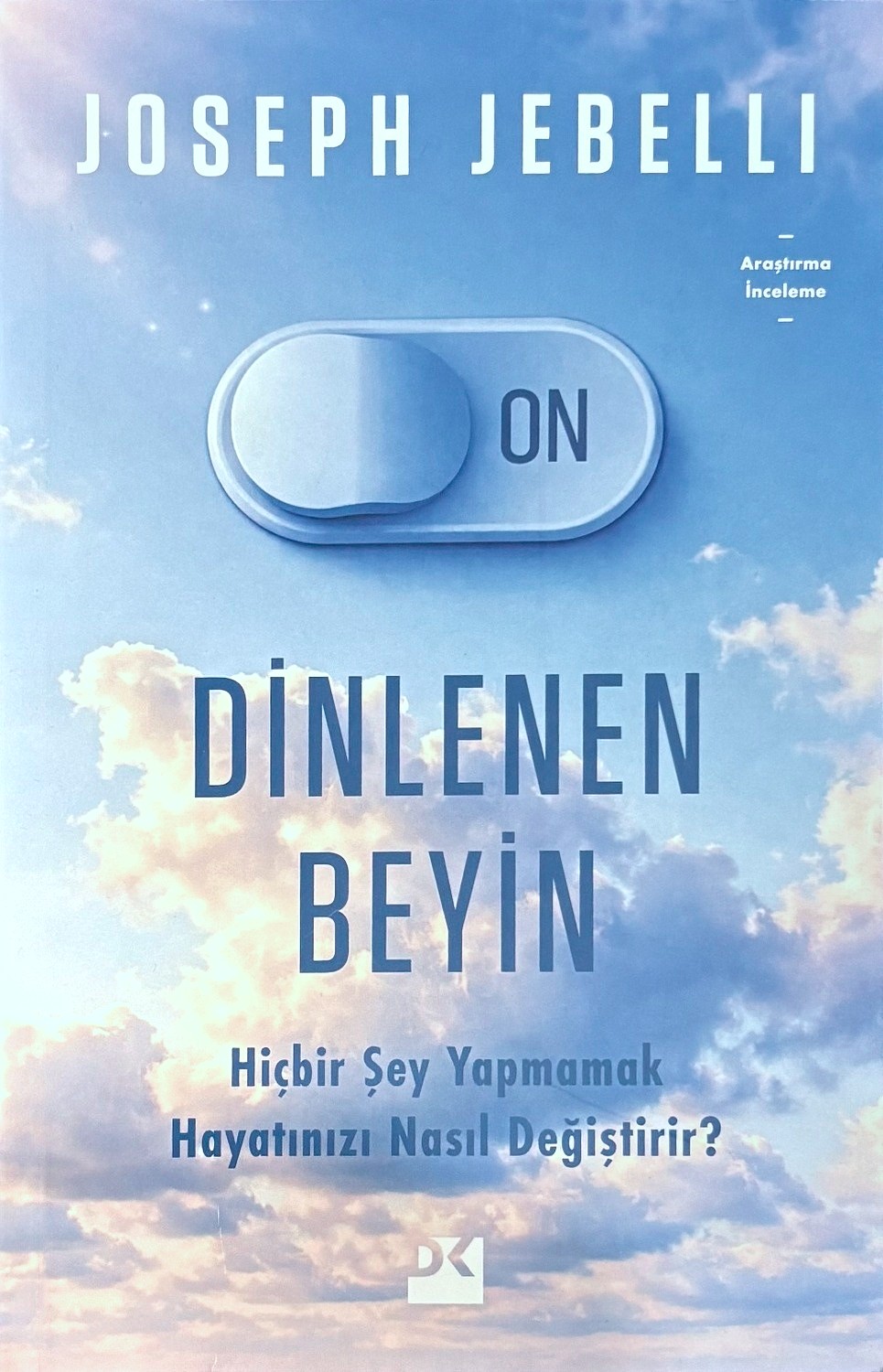
The Brain at Rest
Joseph Jebelli
In an era where we constantly live under the pressure to "work more, produce more," this book explains that rest is not laziness but a real need of the brain. The author, a neuroscientist, centers the book on the default mode network, which is active in the moments when we seem to be doing nothing. He uses research to explain how walking, time spent in nature, and sleep feed creativity and memory. The part that stayed with me the most was how clearly it shows that being busy and being productive are not the same thing. I was also interested in how it puts on a scientific footing why our best ideas tend to come while walking or simply sitting idle. Although the subject is scientific, the language never feels heavy; it reads almost like a conversation. It's a book that reminds you to slow down a little, and one that anyone who is always trying to catch up with something should read at least once.
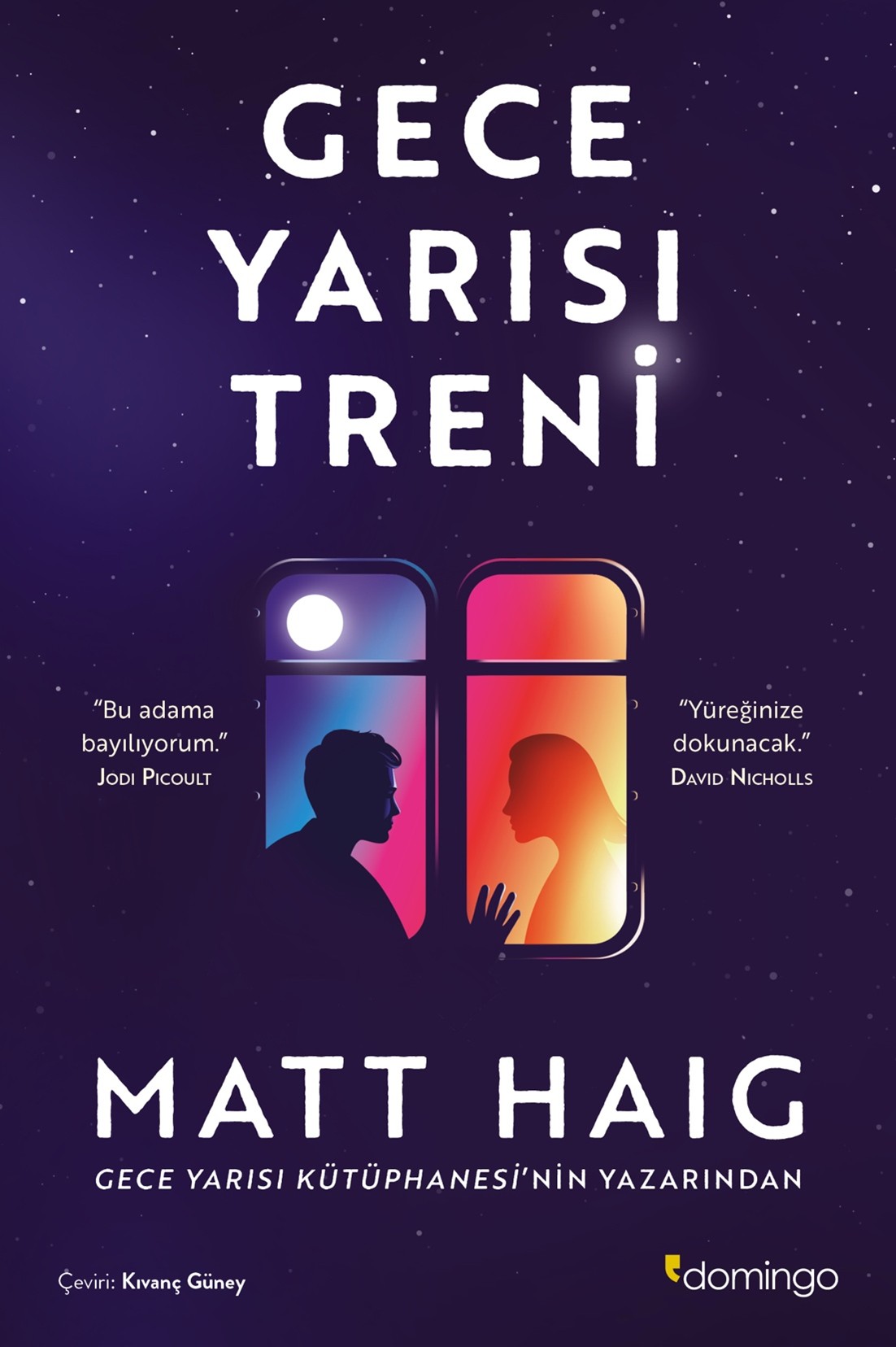
The Midnight Train
Matt Haig
The book tells a story set in the same universe as The Midnight Library, but it can be read on its own. Wilbur Budd, who devoted most of his life to his work and neglected Maggie, the love of his life, finds himself after his death on a train that takes him back into his past. There is only one rule: he must never speak to his past self. I liked that it handles time travel not through scientific rules but through regrets and missed chances. While reading, you inevitably think about your own choices and the time you set aside for the people you love. The language is simple and fluid, and the short chapters make it an easy read. However, constantly watching the past from the outside slows the pace after a certain point, and at times I felt the story was being stretched out. Overall, even if it doesn't leave a big impact, it's a calm and thought-provoking read.
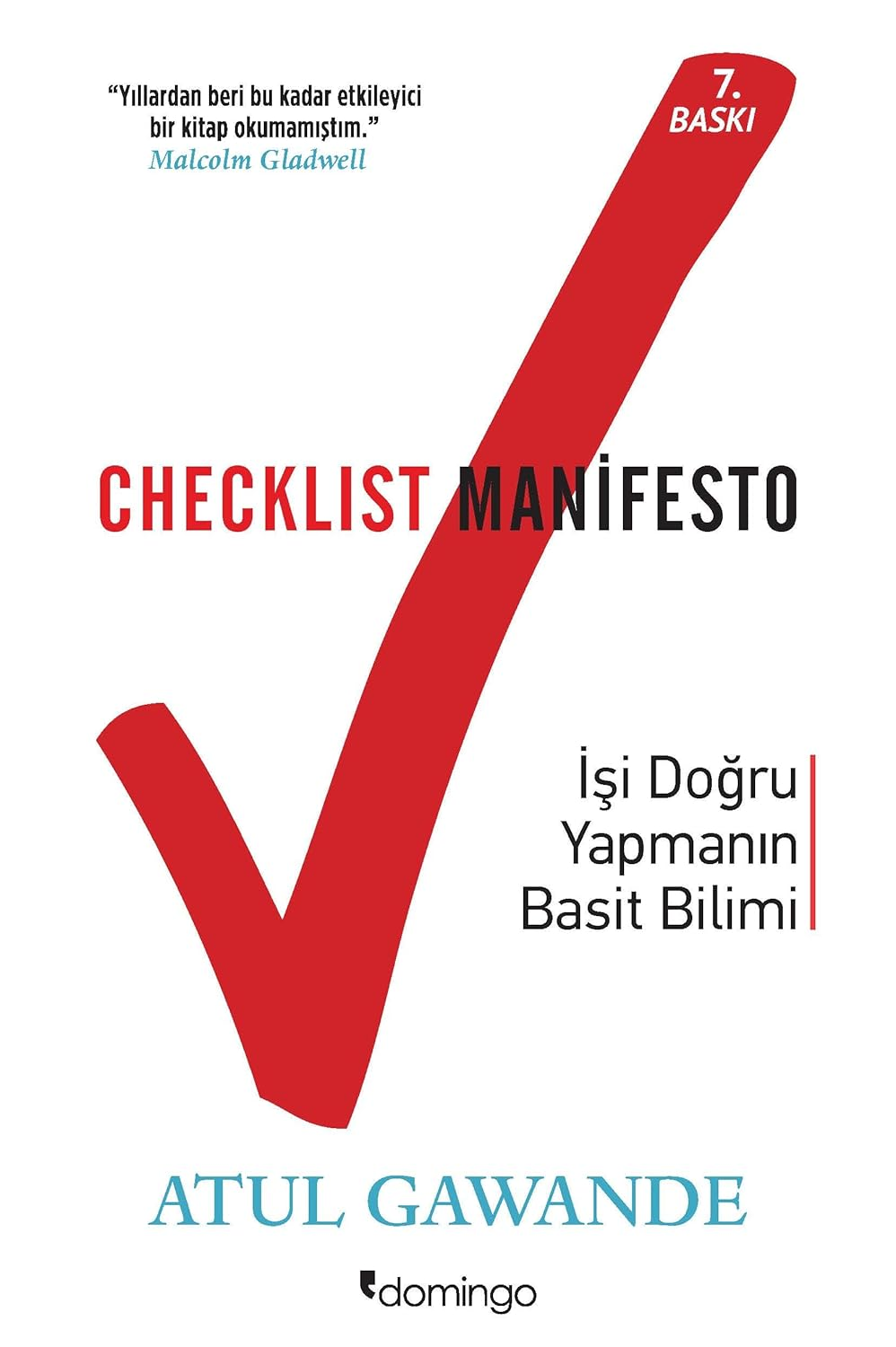
The Checklist Manifesto
Atul Gawande
The book explains, through various examples, how a simple checklist can be highly effective in reducing errors and increasing success in fields like medicine, construction, and aviation. It’s an easy read, and the main idea is clear: checklists really work. However, since the author is a doctor, the book leans heavily toward the medical side. As a result, a large portion of the content consists of surgery stories and experiences from the healthcare field. After a while, these examples become excessive, and you may find yourself getting lost in details that don’t interest you. Additionally, the book tends to repeat itself quite often. The same points are explained through different examples, which led me to skim or skip some parts. In particular, the frequent surgery anecdotes start to feel tiring after a certain point. Overall, the message is valuable, but the content could have been more concise and better balanced.
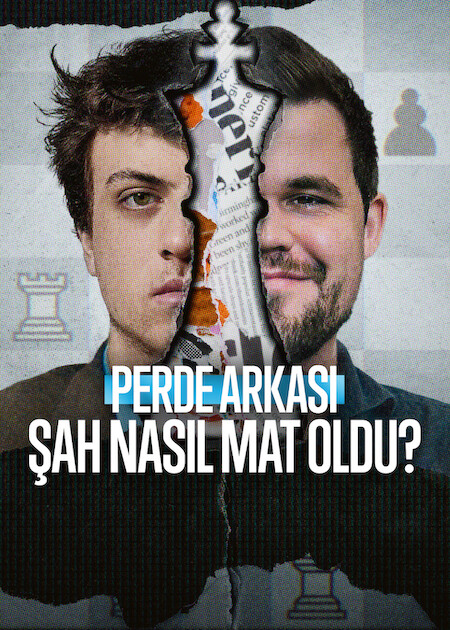
Untold: Chess Mates
The documentary centers on the Magnus Carlsen–Hans Niemann controversy, which made a huge impact in the chess world, focusing on the accusations and the debates that followed. Throughout the process, it presents different perspectives, aiming to show how the situation escalated and how it influenced public opinion. In this sense, the documentary not only provides a general overview of the events but also helped me see the situation from multiple angles. At the time, I was aware of what had happened on a surface level, but I hadn’t explored it in depth. Watching the documentary gave me a clearer understanding of the whole process and helped me form a more informed opinion about it.
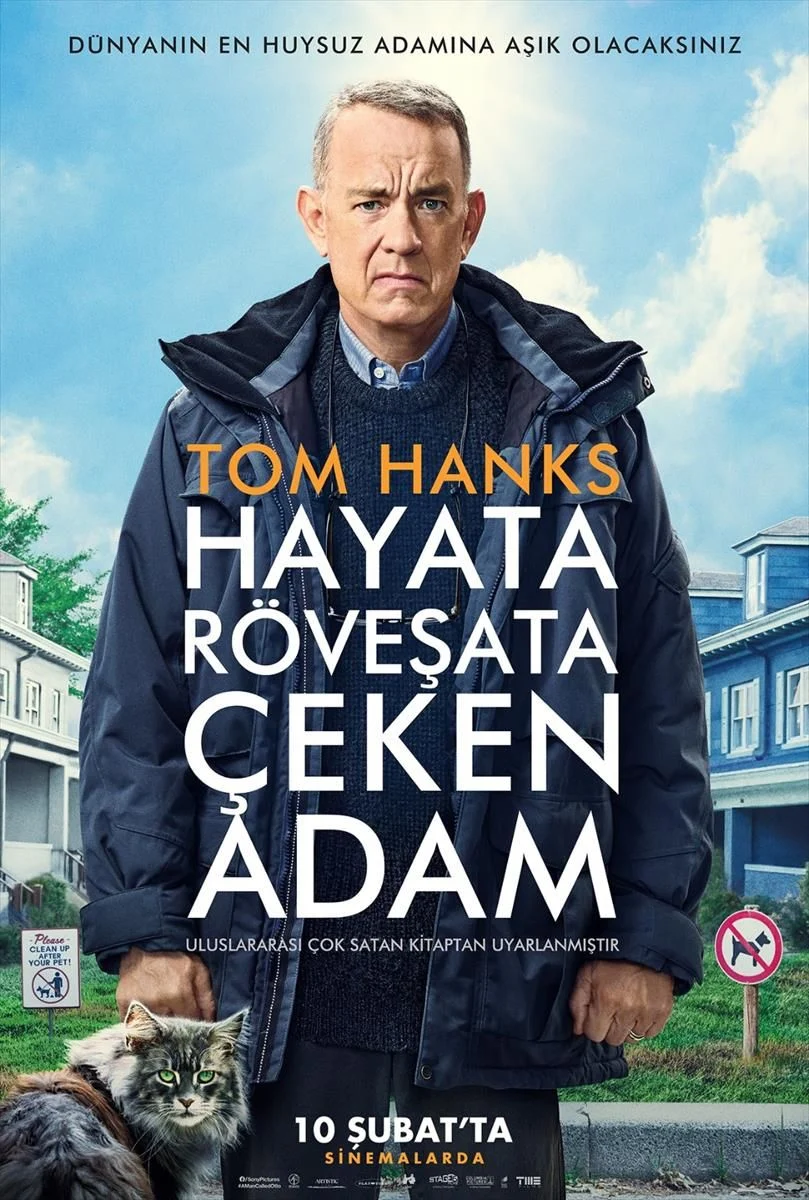
A Man Called Otto
The film tells the story of a grumpy and lonely man who struggles to hold on to life after losing his wife. Otto, who is deeply attached to his daily routines, begins to see his life gradually change with the arrival of new neighbors. Through the relationships he builds over time, he both confronts his past and learns to reconnect with people. Overall, the film has a strong emotional core, offering moments of humor but mostly carrying a melancholic tone. It’s engaging and easy to connect with, leaving a warm and lasting impression.
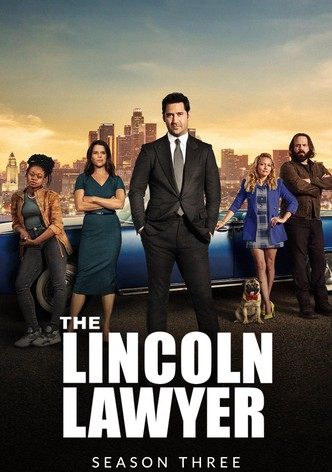
The Lincoln Lawyer
The series follows the story of Mickey Haller, a smart and cunning lawyer in Los Angeles who makes a living defending criminals. Each season revolves around different cases, drawing the viewer in with complex storylines, courtroom scenes, and character relationships. At times, seeing Haller himself fall into different positions within the system adds another layer of dynamism to the story. Overall, it’s fluid and engaging, easy to keep watching. While the plot is strong, the abundance of details and the large number of characters can occasionally make things confusing. There are also moments where the legal aspects feel weak and some performances don’t particularly stand out. Still, it remains an enjoyable legal drama that keeps your curiosity alive and makes you want to continue watching.
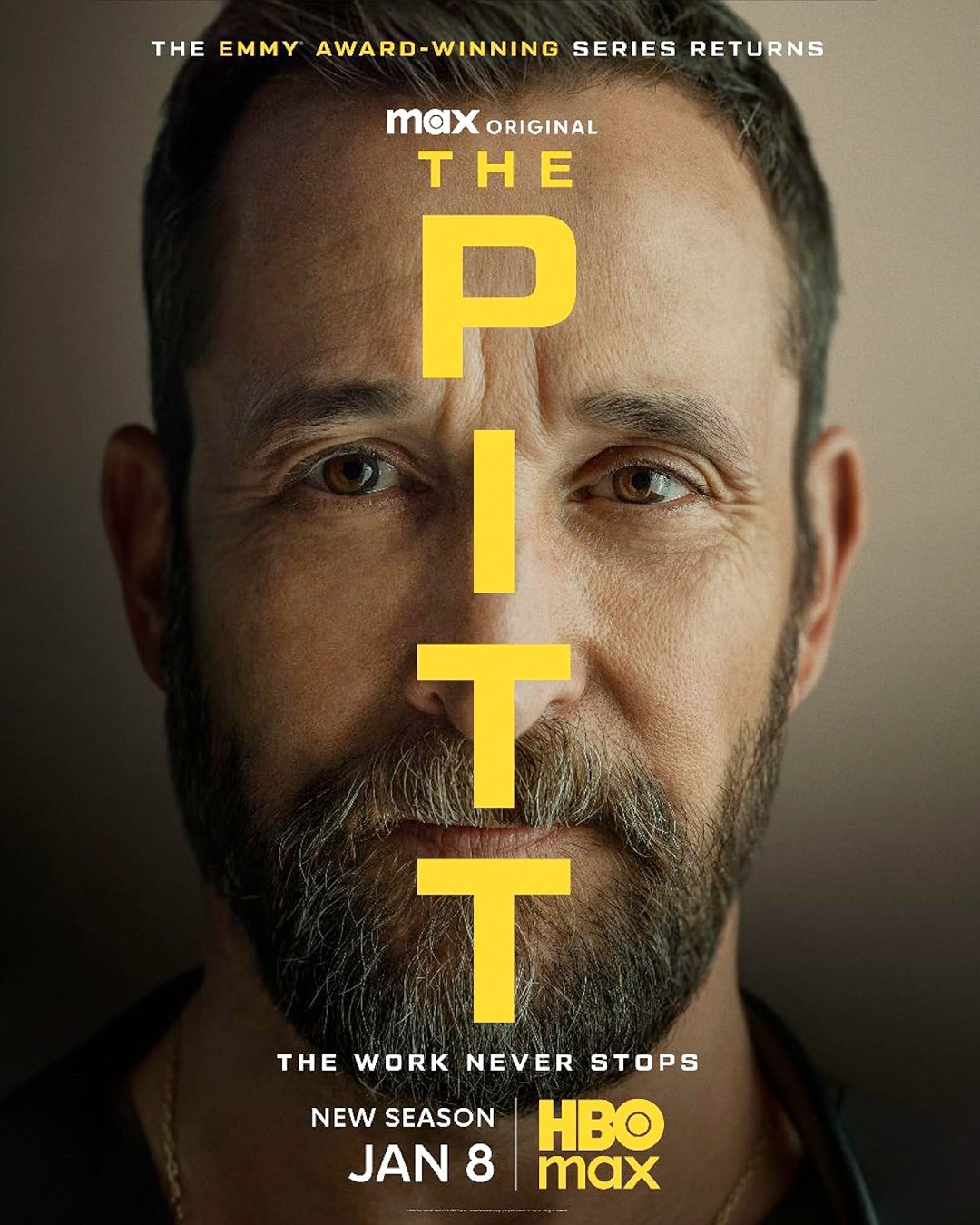
The Pitt
R. Scott Gemmill
I generally enjoyed The Pitt. The almost nonstop flow of new cases throughout the episodes keeps the pacing tight and makes it hard to disengage while watching. Encountering a different emergency in each episode allows the story to move forward without falling into repetition. Moreover, while the heavy use of medical terminology might feel challenging at first, it actually sparks curiosity; trying to understand what's happening pulls the viewer in even more. In this sense, combined with Noah Wyle's experience, the series leaves a more realistic and gripping impression than many classic medical dramas.
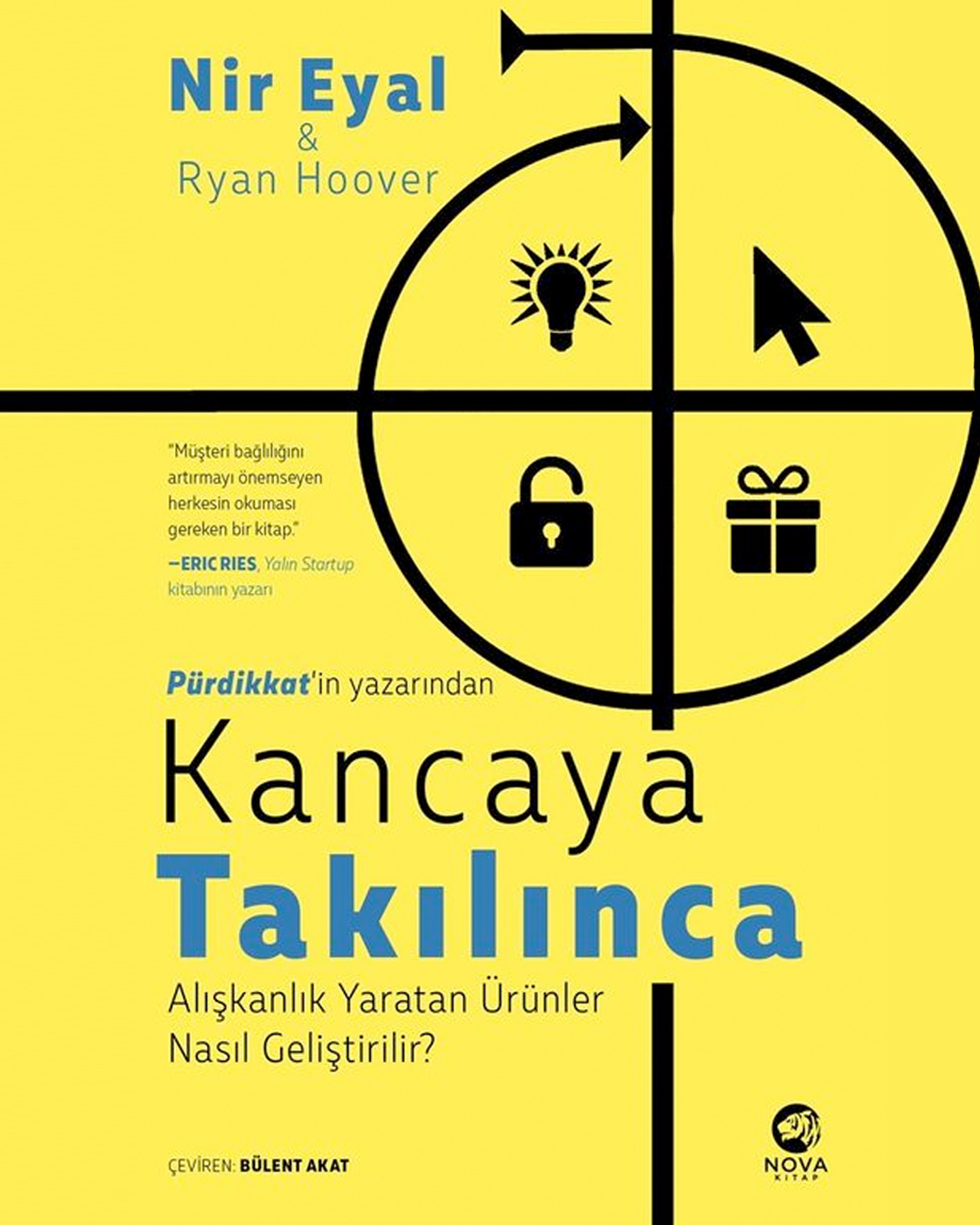
Hooked: How to Built Habit-Forming Products
Nir Eyal
This book centers on the idea that when developing a product, the truly critical factor is not the product itself but the ability to understand human behavior. While exploring how products build habit-forming relationships with users, it offers a different perspective on how people are psychologically guided through the deliberate construction of a core behavioral loop that encourages the repeated execution of the same actions. It helps the reader recognize that nearly all digital products-especially today's popular social media applications-follow similar strategies. Although it was first published in 2013, the book remains highly relevant today, as its insights are rooted in fundamental aspects of human psychology.
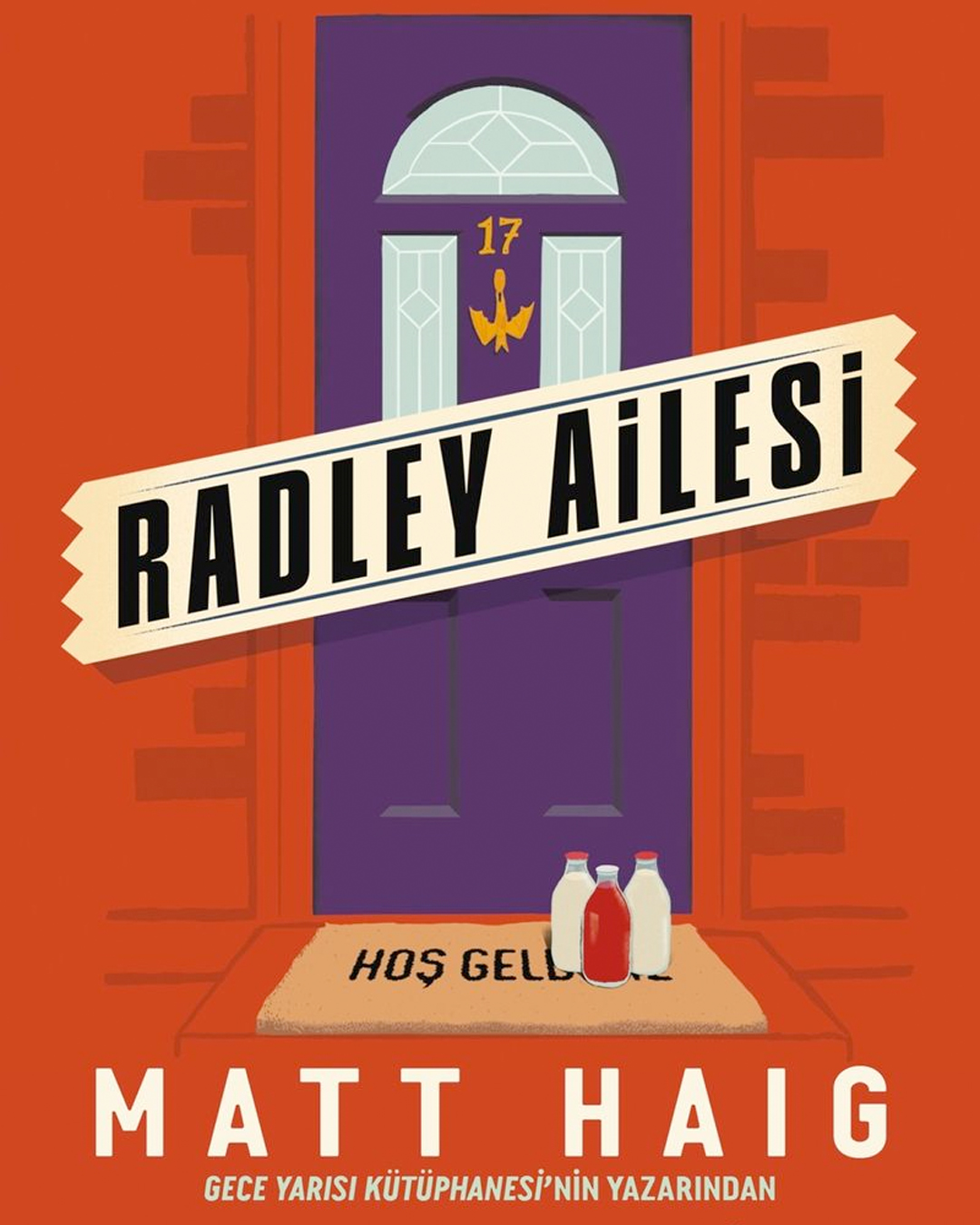
The Radleys
Matt Haig
The Radleys felt more like a book that intrigued me on a conceptual level but kept me at an emotional distance. I liked the idea of placing vampirism within an ordinary family life; the artificiality created by the effort to be 'normal' was felt from beginning to end. However, this strong idea never quite turned into a story that truly pulled me in. I struggled to connect with the characters. It is a smooth and light read, yes, but when I closed the book, there was no lasting feeling or thought left behind. I enjoyed reading it, but I don't think I'll remember it as a particularly memorable experience.
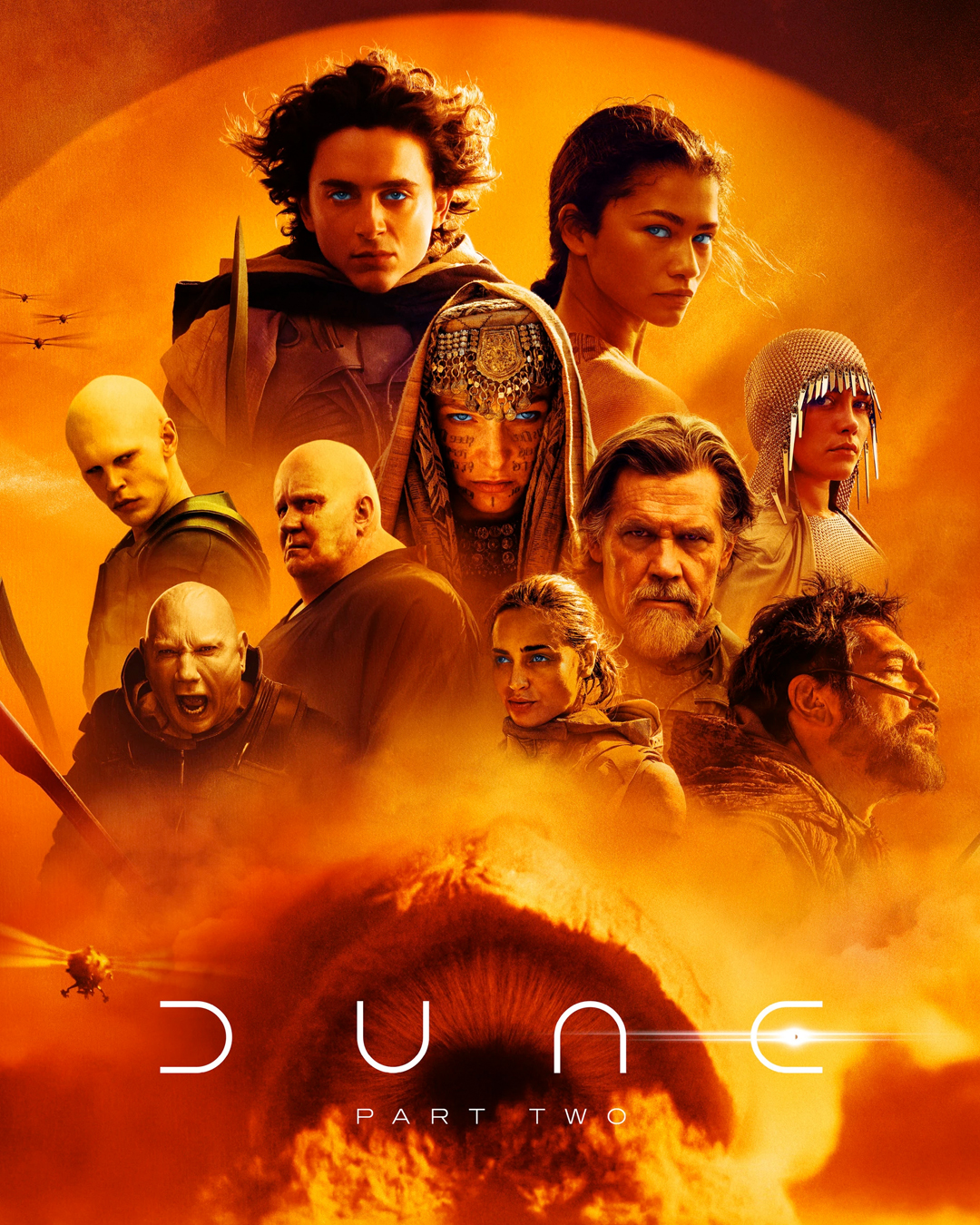
Dune: Part Two
Denis Villeneuve
Dune: Part Two is a powerful sequel that builds on the world patiently established in the first film, this time advancing the story on an epic scale while grounding it in deeply personal costs. Paul Atreides' journey on Arrakis is no longer defined by discovery, but by transformation and the weight of responsibility. While the music and cinematography once again form the backbone of the film's atmosphere, Chani's more active role and the clearer narrative focus elevate the story to a different level. In this sense, the film is more than just a continuation; it completes the second act of the saga in a way that is both grand and more immersive, bringing the science-fiction experience decisively to the forefront.
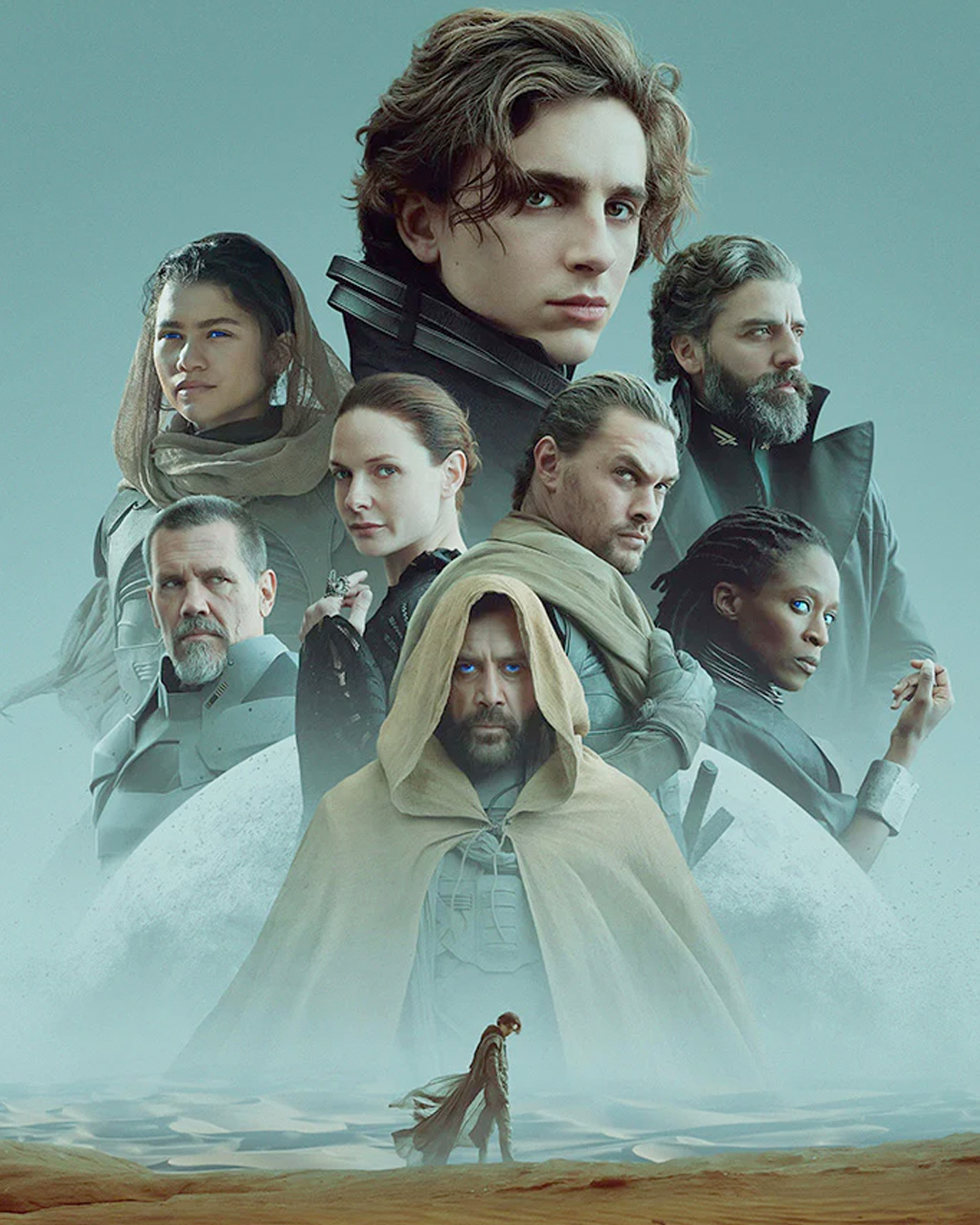
Dune
Denis Villeneuve
Dune offers a powerful science-fiction experience that doesn't just tell an epic story, but makes the audience feel it. Beginning with Paul Atreides' arrival on Arrakis, the film explores betrayal, struggles for power, and the idea of an inescapable destiny through a slow yet deliberate pace. The restrained use of action is a conscious choice, allowing the viewer to fully absorb the universe-especially the fall of House Atreides and Paul's transformation in the desert. Throughout this journey, music, cinematography, and atmosphere work in perfect harmony, while the story clearly establishes itself as the first chapter of a much larger epic.
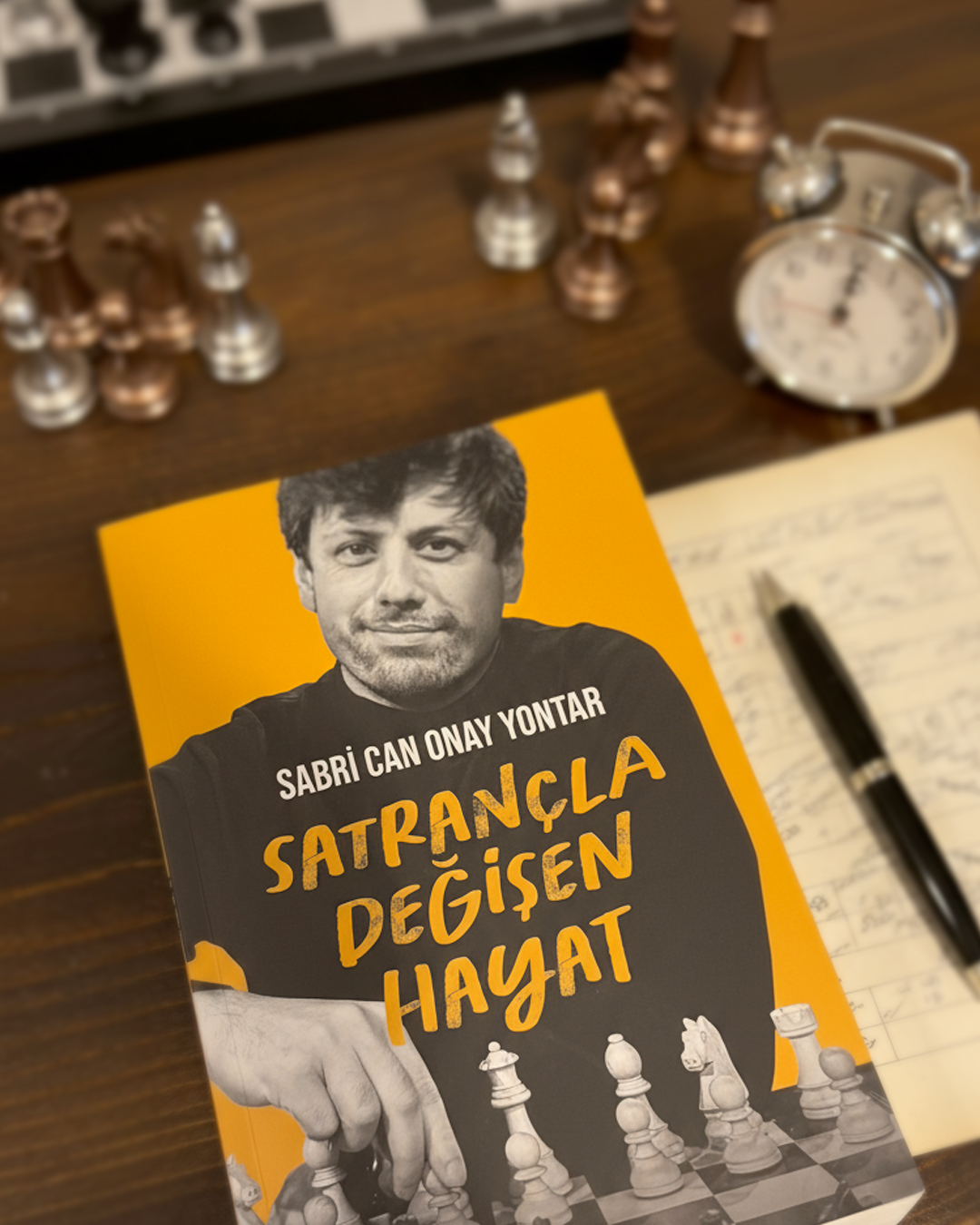
Satrançla Değişen Hayat
Sabri Can Onay Yontar
This book by Sabri Can Onay Yontar was not just a reading experience for me, but a familiar journey-one I witnessed closely, including his path and transformation. The openness and sincerity with which he shares what he went through while pursuing his goals leave a genuine sense of honesty between the lines. His way of thinking, outlook on life, and narrative voice felt very close to me, as they always do. Being included in the book deepened this connection even further; while reading certain passages, I felt not only like a reader, but also like a small part of this story.
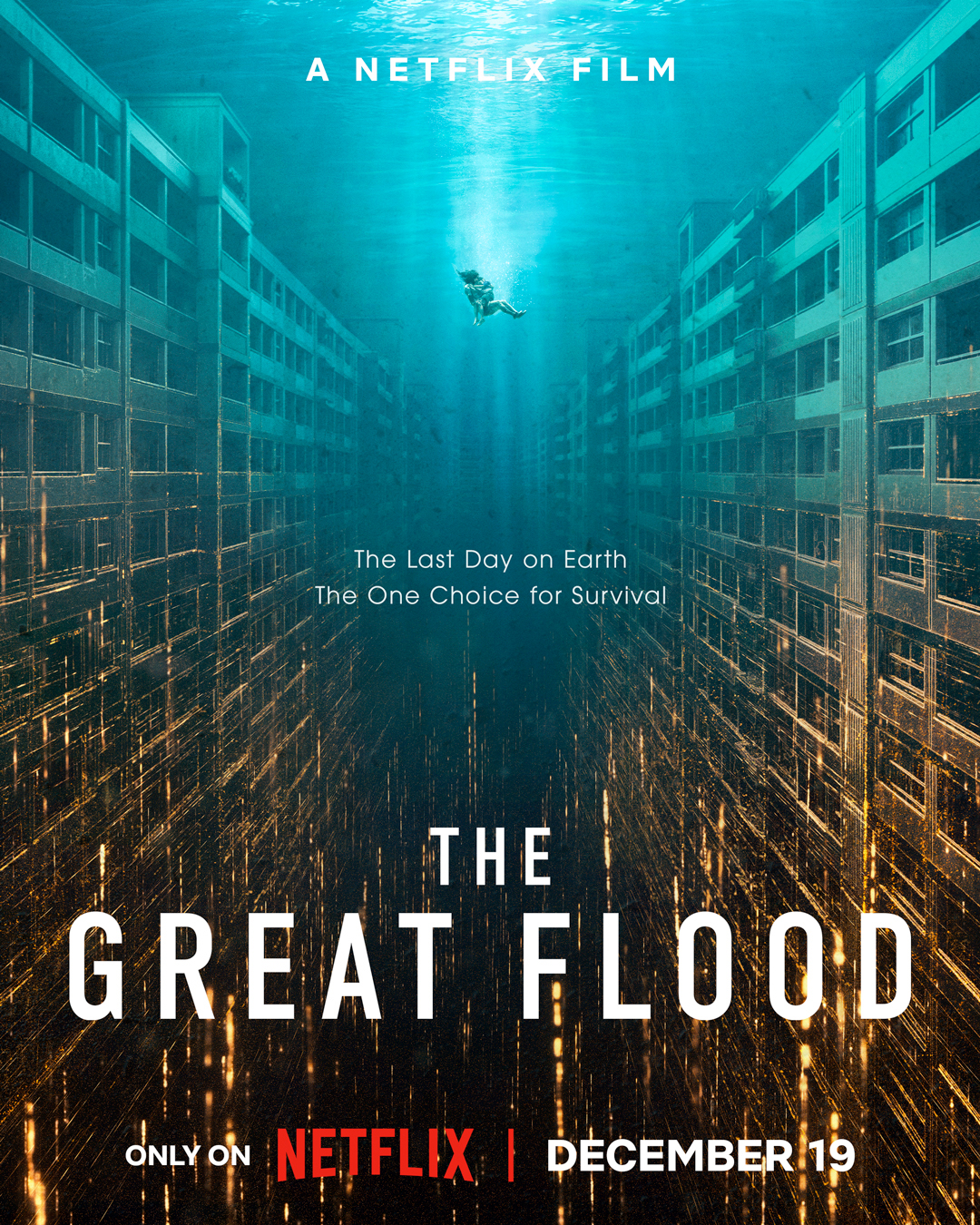
The Great Flood
Kim Byung-woo
In my opinion, The Great Flood may seem at first like a film about a massive flood disaster, but it is actually a deeply reflective story that questions what truly makes us human. By deliberately leaving it ambiguous whether fear, love, and sacrifice emerge from a real catastrophe or from an artificial intelligence simulation, the film invites the viewer to ask: does humanity live in the body, or in emotions?